 PhysioActive SG
 Appointments
Minimally Invasive Spine Surgery: The Future of Spinal Care is Here
Spinal conditions affecting millions worldwide are now being treated with groundbreaking techniques that allow patients to walk within hours and return to work in as little as one to two weeks. In a recent episode of the PhysioActive Singapore Surgeon Insight Series, Dr. Wu Pang Hung, an orthopedic spine surgeon from Achieve Spine Orthopedic Singapore, shared how minimally invasive spine surgery is transforming patient outcomes and recovery experiences.
What is Minimally Invasive Spine Surgery?
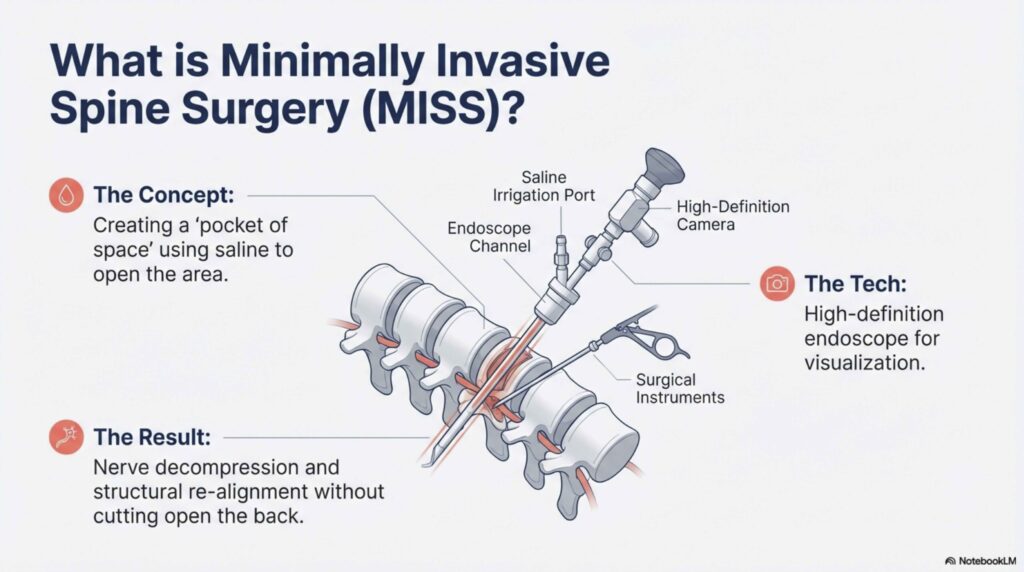
Minimally invasive spine surgery represents a precision-based approach that combines advanced biomechanical understanding with cutting-edge technology. Unlike traditional open spine surgery, this technique utilizes specialized endoscopic equipment to visualize and treat spinal problems through tiny incisions.
According to the North American Spine Society, minimally invasive techniques can significantly reduce tissue damage and accelerate healing. Dr. Wu explains that the endoscope allows saline introduction to the diseased segment, which decreases bleeding, opens up space, and creates a working pocket for precise surgical intervention.
Key Advantages of Endoscopic Spine Surgery
- Smaller incisions resulting in reduced infection risk
- Minimal muscle and tissue disruption
- Decreased blood loss during surgery
- Enhanced visualization of nerve structures
- Same-day or next-day discharge for 80% of cases
- Earlier return to physiotherapy and normal activities
Conditions Treated with Minimally Invasive Techniques
Dr. Wu’s demonstrates the versatility of minimally invasive approaches across various spinal conditions:
Cervical Spine (Neck) Conditions
For neck-related issues, endoscopic surgery effectively treats herniated discs and spinal cord compression caused by degenerative changes. The technique allows for nerve decompression with minimal use of implants, preserving natural spine mobility.
Thoracic and Lumbar Spine Conditions
In the mid and lower back, minimally invasive surgery addresses prolapsed discs, multi-level spinal stenosis, and even complex fusion procedures for conditions like spondylolisthesis where vertebrae slip out of alignment.
The Recovery Journey: What Patients Can Expect
Perhaps the most remarkable aspect of minimally invasive spine surgery is the dramatically accelerated recovery timeline compared to traditional open procedures. Understanding the rehabilitation process is crucial for patients considering treatment at facilities like PhysioActive Indonesia.
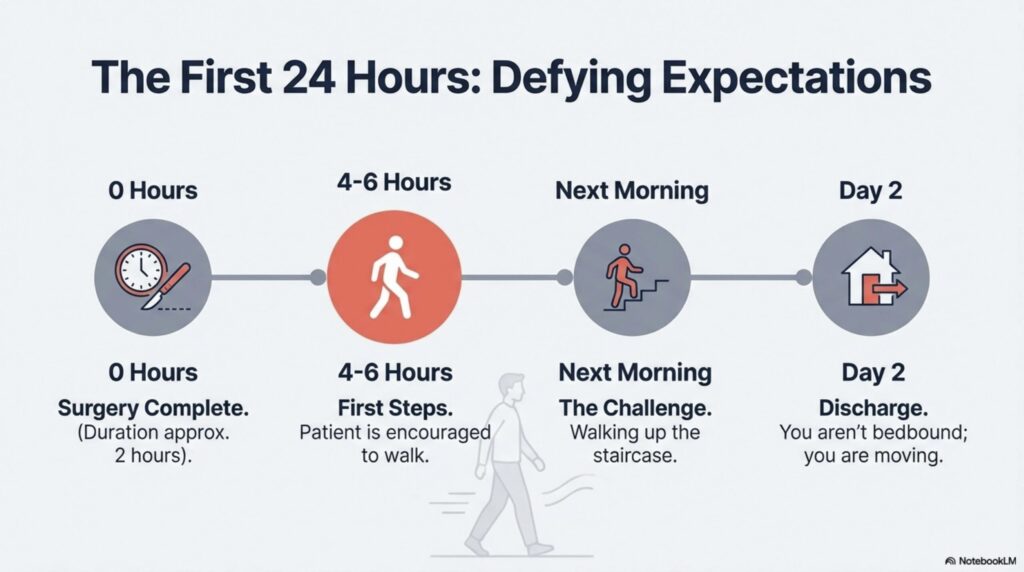
First 24 Hours Post-Surgery
Most patients are encouraged to walk within four to six hours after surgery, once any dizziness from anesthesia subsides. By the next morning, patients typically attempt staircase walking. If successful, they’re cleared for discharge—often within a single day for disc procedures.
Week One: Initial Recovery
The first postoperative week involves wound checks and, for some patients, removal of a single stitch (though tissue glue is increasingly used, eliminating this step). Patients can typically begin physiotherapy programs focusing on nerve flossing and gentle stretching to improve comfort and mobility.
Weeks Two to Six: Building Strength
During this phase, rehabilitation at centers focuses on strengthening exercises. Back-specific strengthening typically begins around the four to six-week mark, with the program tailored to individual patient needs and activity goals.
Three to Six Months: Return to Full Activity
By three months, most patients resume exercise routines. Athletes and highly active individuals may return to sports under physiotherapy guidance. For fusion procedures, this period allows bone healing before introducing rotational and flexion movements to the spine.
Advanced Technology Enhancing Outcomes
Dr. Wu’s practice incorporates navigation robots and AI diagnostic technology, representing the forefront of spinal surgery innovation. These tools increase surgical precision and effectiveness, ensuring optimal nerve decompression while preserving spinal stability.
Why Less is More in Modern Spine Surgery
The endoscopic approach allows surgeons to see nerve structures more clearly, requiring less bone removal and muscle dissection. This precision prevents excessive tissue trauma and reduces the risk of spinal instability—a significant concern with traditional open procedures.
Comparing Recovery Timelines
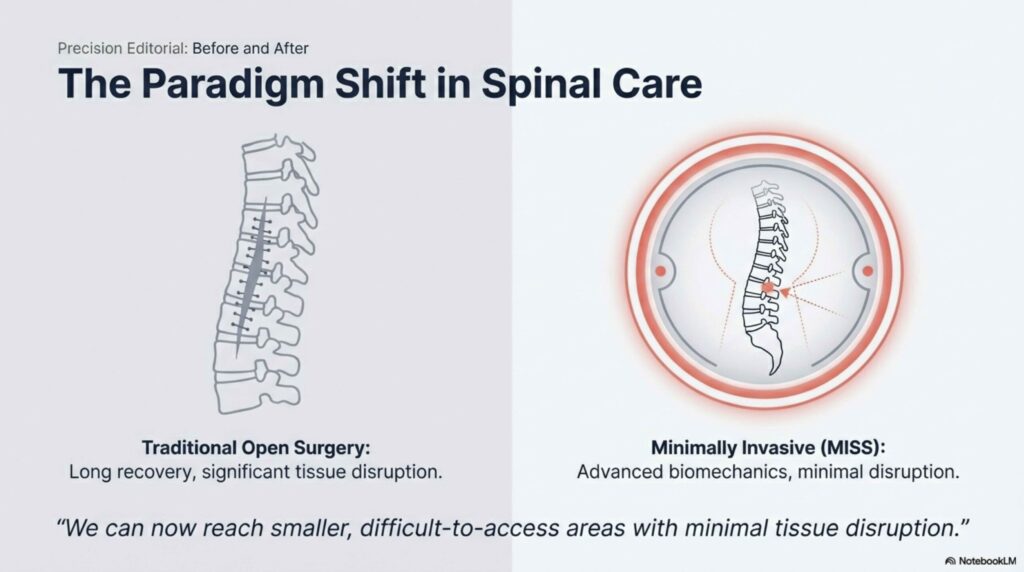
The contrast between minimally invasive and traditional open spine surgery is striking. Patients treated with endoscopic techniques typically return to light work within three to five days, compared to one to two months for conventional surgery. This accelerated timeline means less time away from family, work, and normal life activities.
Conclusion: A New Standard in Spinal Care
Minimally invasive spine surgery represents a paradigm shift in treating spinal conditions. With same-day discharge, rapid return to function, and reduced complications, it’s becoming the preferred option for patients seeking effective spinal treatment with minimal disruption to their lives.
Ready to Explore Your Treatment Options?
Dr. Wu Pang Hung
Achieve Spine Orthopedic Singapore
Website: https://achievespine.com/
Phone: +65 9746 6178
PhysioActive Singapore
Website: https://physioactive.sg/
Comprehensive rehabilitation and physiotherapy services
PhysioActive Indonesia
Website: https://www.physioactive.id/
Locations in Jakarta: Darmawangsa, Setiabudi, and Sunter
Expert post-surgical rehabilitation for spine patients