 PhysioActive SG
 Appointments
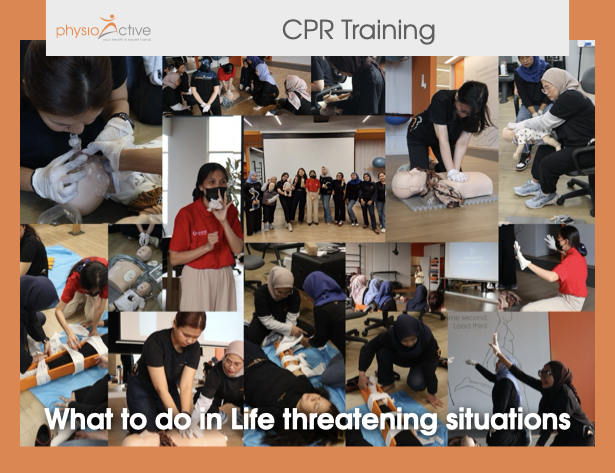
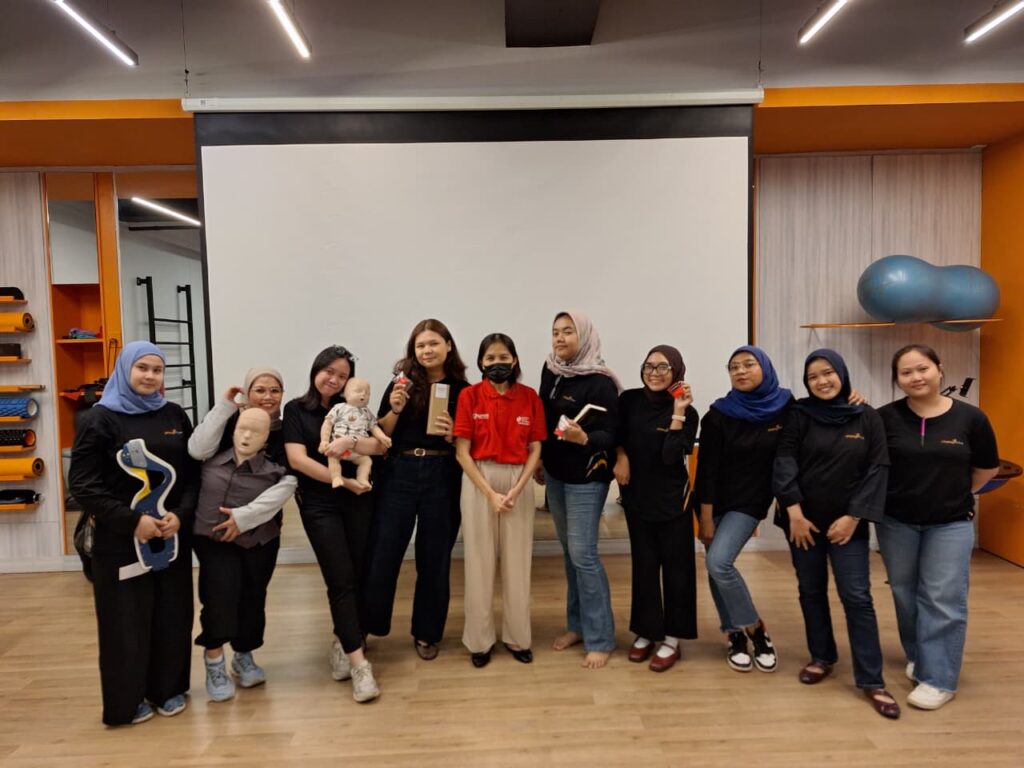
CPR training for clinic staff is one of the most important investments a healthcare facility can make. At Physioactive, we believe every team member — not just therapists — should be equipped to respond confidently in an emergency. On Sunday, November 30, our Reception and Housekeeping teams completed a hands-on CPR and First Aid training session with Summit Healthcare, led by expert trainer Dr. Minawati. The focus: real skills for real emergencies, from cardiac arrest and stroke to choking, fractures, and bleeding wounds.
Why CPR Training for Clinic Staff Matters
As Physioactive’s frontline team, the reception and housekeeping staff do far more than manage schedules, welcome patients, and maintain the clinic. They are often the first people on the scene when something goes wrong. With proper CPR training, clinic staff can act quickly and calmly in emergency situations — without relying solely on the therapists.
In cardiac arrest cases, every second counts. Brain damage can begin within just four to six minutes without intervention. Having trained staff on-site can make the difference between life and death while waiting for emergency services to arrive.
What Did the Physioactive Team Learn?
This training went beyond theory. The team practiced directly using mannequins, AED (Automated External Defibrillator) devices, and splints for fracture cases. Here is a breakdown of everything covered:
1. Recognizing Emergency Conditions
The first step in any emergency is recognizing what you are dealing with. The team learned the key differences between a heart attack and cardiac arrest, and how to check consciousness and pulse across multiple points — the wrist, neck, thigh, and arm. If there is no response, the protocol is clear: call for help, dial 119, and retrieve the nearest AED immediately.
2. CPR Compression Techniques and AED Use
Effective CPR requires precision, not just effort. The team practiced correct technique with the following key principles:
- Kneel at the patient’s side with knees aligned with their shoulders
- Place one hand on top of the other, centered on the chest
- Loosen clothing around the neck and chest before beginning
- Compress at 100–120 times per minute, 5–6 cm deep for adults and 4 cm for children and babies
- If an AED is available, follow its voice instructions step by step
- Place the AED pads correctly and ensure no one is touching the patient when the device delivers a shock
3. First Aid for Common Emergencies
Beyond CPR, the team was trained to handle a range of emergency scenarios they may realistically encounter in a clinic setting:
Choking
Deliver 5 firm back blows between the shoulder blades while the person leans forward. For babies, keep the head lower than the feet. If the person loses consciousness, begin CPR immediately.
Fractures
Use a splint to immobilize the affected area and minimize movement until emergency services arrive.
Seizures
Clear the surrounding area of objects, keep the airway open, and do not restrain the person. Most seizures resolve within 5 minutes. If it exceeds 5 minutes, call emergency services. Once the seizure stops, turn the patient onto their side to keep the airway clear.
Stroke
Use the F.A.S.T method to identify stroke symptoms quickly:
- F — Face: Is one side of the face drooping or numb?
- A — Arms: Is one arm weak and drifting downward?
- S — Speech: Is speech slurred or unclear?
- T — Time: Note when symptoms started and call emergency services immediately.
Burns and Bleeding Wounds
For burns — whether from heat or cold — run cool water over the area to reduce skin temperature, then apply antibiotic ointment and hydrogel. For heavy bleeding, apply firm pressure with cloth and call emergency services without delay.
Next Steps: Our Ongoing Investment in Safety
This CPR training for clinic staff is just the beginning. Physioactive is committed to the continued development of every team member — not just clinically, but in safety and emergency preparedness. Future training we are working toward includes Communication Training, Evacuation and Disaster Management Training, and Mental Health Awareness Training.
We believe a well-prepared team creates a safer, more supportive environment for both our patients and our staff. We extend our sincere thanks to Dr. Minawati and Summit Healthcare for delivering such a practical, thorough, and impactful training session.