 PhysioActive SG
 Appointments
Meniscus Tears and Knee Cartilage Injuries: When Should You See a Specialist?
Knee pain is one of the most common problems affecting active people, athletes, and those with more sedentary lifestyles. But when knee pain occurs after an injury, how do you know whether it is a minor strain, a meniscus tear, or a more significant cartilage or ligament injury?
In the latest episode of the Singapore Surgeon Insight Series by Physioactive Jakarta, Michelle speaks with Dr. Gavin O’Neill, Consultant Orthopaedic Hip & Knee Surgeon at Altius Clinic Singapore. Dr. Gavin shares practical insights into meniscus tears, knee cartilage injuries, diagnosis, treatment options, and the important role of physiotherapy in recovery.
If you are experiencing knee pain or a knee injury, understanding when to seek professional assessment can help you make informed decisions about your recovery.
What Is the Difference Between a Meniscus Tear and a Cartilage Injury?
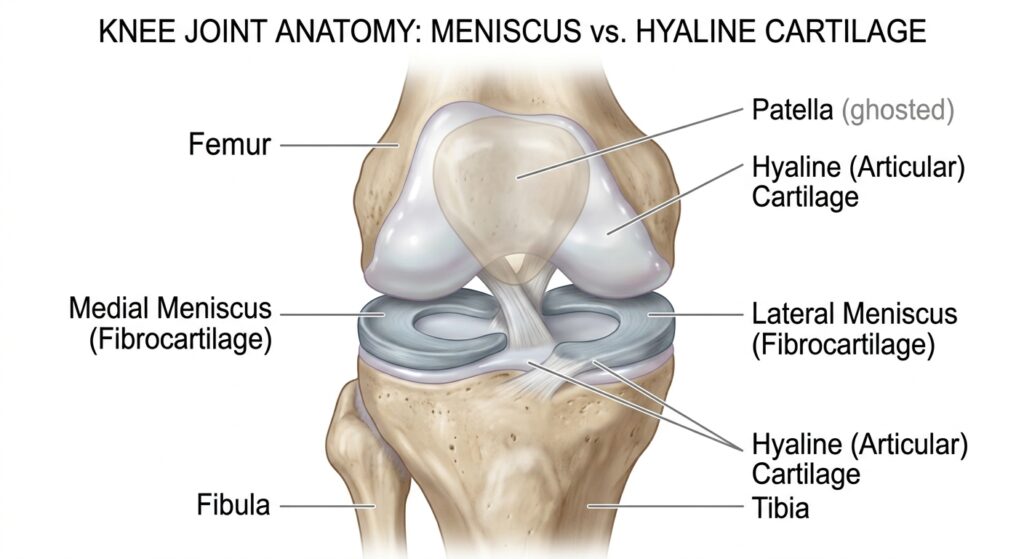
One of the most common sources of confusion is the term “torn cartilage.” As Dr. Gavin explains, there are two main types of cartilage inside the knee.
The menisci are made from fibrocartilage. There is one on the inside and one on the outside of the knee. They help with stability, force transfer, and the overall health and lubrication of the joint.
Another type is hyaline cartilage, which covers the ends of the bones within the knee joint. Direct injuries to this cartilage are different from meniscus tears and are generally less common.
The distinction is important because the type, location, and severity of the injury can influence the appropriate treatment approach.
What Are the Common Symptoms of a Meniscus Tear?
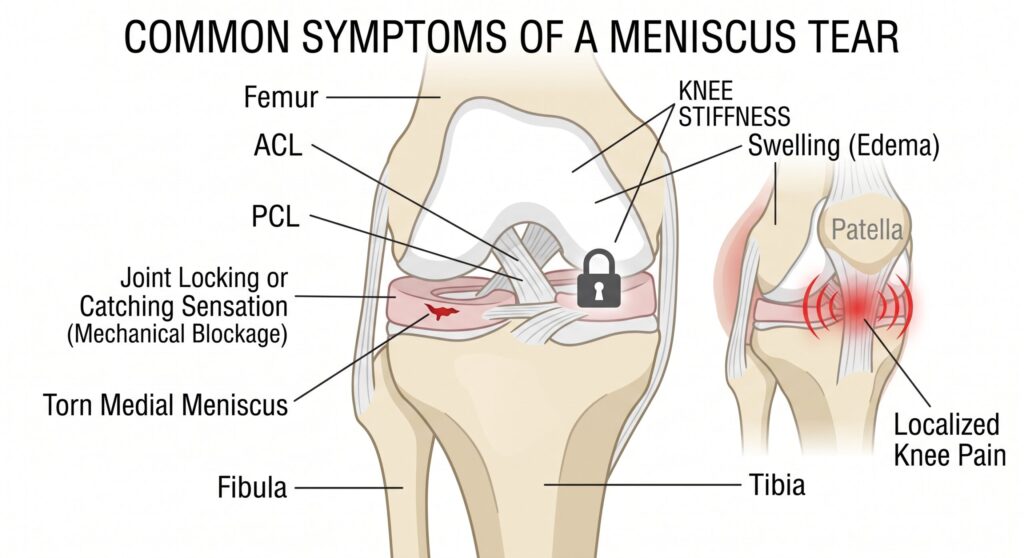
Immediately after a knee injury, it can be difficult to determine exactly what has been damaged. A minor contusion, ligament injury, meniscus tear, and even a fracture can initially cause similar symptoms.
Common symptoms can include:
- Knee pain
- Swelling
- Stiffness
- Restricted range of motion
- Difficulty putting weight through the leg
- A feeling of the knee locking or becoming blocked
However, symptoms alone cannot always identify the exact injury. This is why an appropriate clinical assessment is important.
When Should You See a Specialist?
Not every knee injury requires an immediate visit to an orthopaedic surgeon. If you can walk reasonably comfortably, maintain a good range of motion, and continue your daily activities, an initial assessment by a physiotherapist may be appropriate.
However, Dr. Gavin recommends earlier medical assessment when symptoms are more severe. Extreme pain, significant swelling, restricted movement, or an inability to put weight on the leg may indicate a more significant injury.
How Are Meniscus Tears Diagnosed?
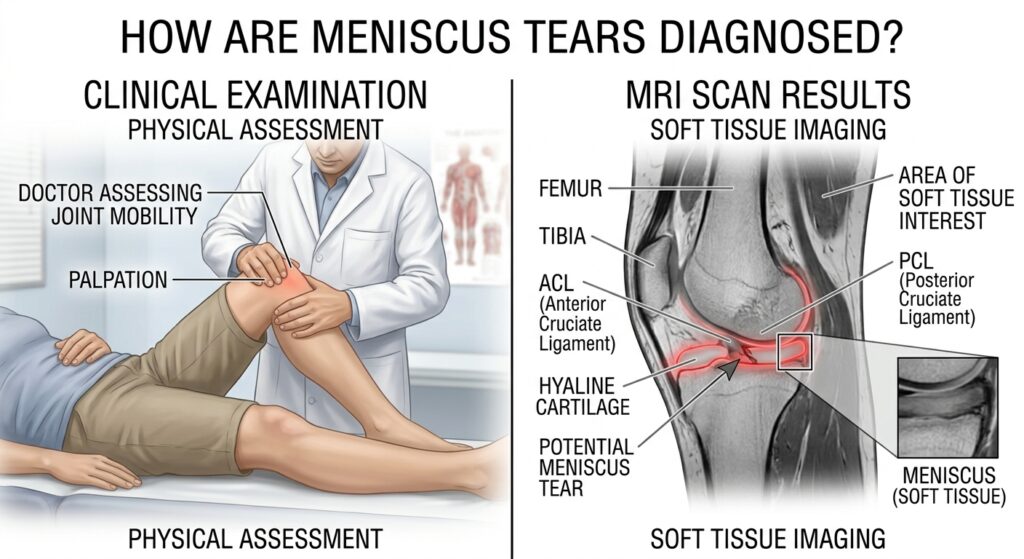
The first step is usually a detailed medical history and physical examination. From this assessment, a doctor can often develop a good understanding of the likely injury and its severity.
If further investigation is required, imaging may be recommended. X-rays can help assess the bones, joint space, and overall alignment of the legs. An MRI scan provides more detailed information about the meniscus, cartilage, ligaments, and other soft tissues surrounding the knee.
Does Every Meniscus Tear Need Surgery?
No. The treatment depends on several factors, including the patient’s age, activity level, symptoms, type and location of the tear, and whether there are degenerative changes in the knee.
Many meniscus injuries can be managed conservatively with rest, appropriate medication, exercises, and physiotherapy. However, certain injuries may require more urgent surgical consideration.
Meniscus Tears That May Need More Urgent Treatment
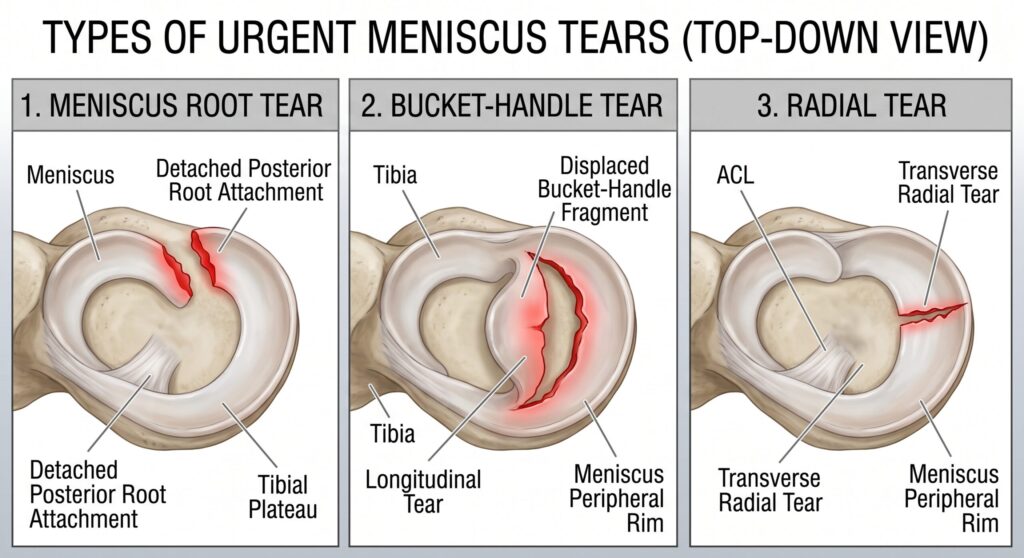
Dr. Gavin highlights several types of meniscus injuries that may require a more aggressive approach, including meniscus root tears, bucket-handle tears, and radial tears. In particular, untreated meniscus root tears can potentially contribute to more rapid development of osteoarthritis in some patients.
How Long Should You Wait Before Further Investigation?
For a minor contusion, strain, or relatively simple meniscus injury, symptoms may settle over approximately two to four weeks with appropriate conservative care.
If symptoms continue beyond this period and are significantly affecting daily activities, exercise, or quality of life, Dr. Gavin suggests that around four to six weeks can be a reasonable point to consider further investigation.
This approach can help avoid unnecessary investigations for minor injuries while still allowing more significant injuries to be identified within an appropriate timeframe.
The Role of Physiotherapy After a Meniscus Injury
Whether treatment is conservative or surgical, physiotherapy plays an important role in recovery. Following knee surgery, patients can experience muscle wasting, stiffness, reduced range of motion, and changes in walking or gait.
A structured physiotherapy programme can focus on restoring movement, rebuilding strength, improving walking mechanics, and gradually returning the patient to normal activities.
Recovery also depends on the type of procedure performed. After a smaller procedure, some patients may return to normal daily activities relatively quickly. Following a larger meniscus repair, temporary weight-bearing restrictions or a brace may be required.
For this reason, rehabilitation should be considered an integral part of the overall treatment plan rather than something that only begins after surgery.
Get the Right Assessment for Your Knee Pain
A meniscus tear does not automatically mean you need surgery. At the same time, persistent pain, significant swelling, locking, or difficulty putting weight on the knee should not simply be ignored.
As Dr. Gavin explains, the right treatment depends on the individual patient and the specific characteristics of the injury. Early assessment, an appropriate diagnosis, and a structured rehabilitation plan can help patients make informed decisions and work towards returning to their normal activities.
If you are experiencing knee pain or a suspected meniscus injury in Jakarta, Physioactive can assess your condition and develop an appropriate physiotherapy programme based on your needs.
Ready to Explore Your Treatment Options?
Altius Clinic Singapore – Dr. Gavin O’Neill
Website: https://altiusclinic.sg/
Tel: +65 6970 1518
WhatsApp: +65 8500 3961
PhysioActive Singapore
Website: https://physioactive.sg/
Comprehensive rehabilitation and physiotherapy services
PhysioActive Indonesia
Website: https://www.physioactive.id/
Locations in Jakarta: Darmawangsa, Setiabudi, and Sunter
Expert post-surgical rehabilitation